Sleep Apnea: A Long-Term Detractor to Your Health
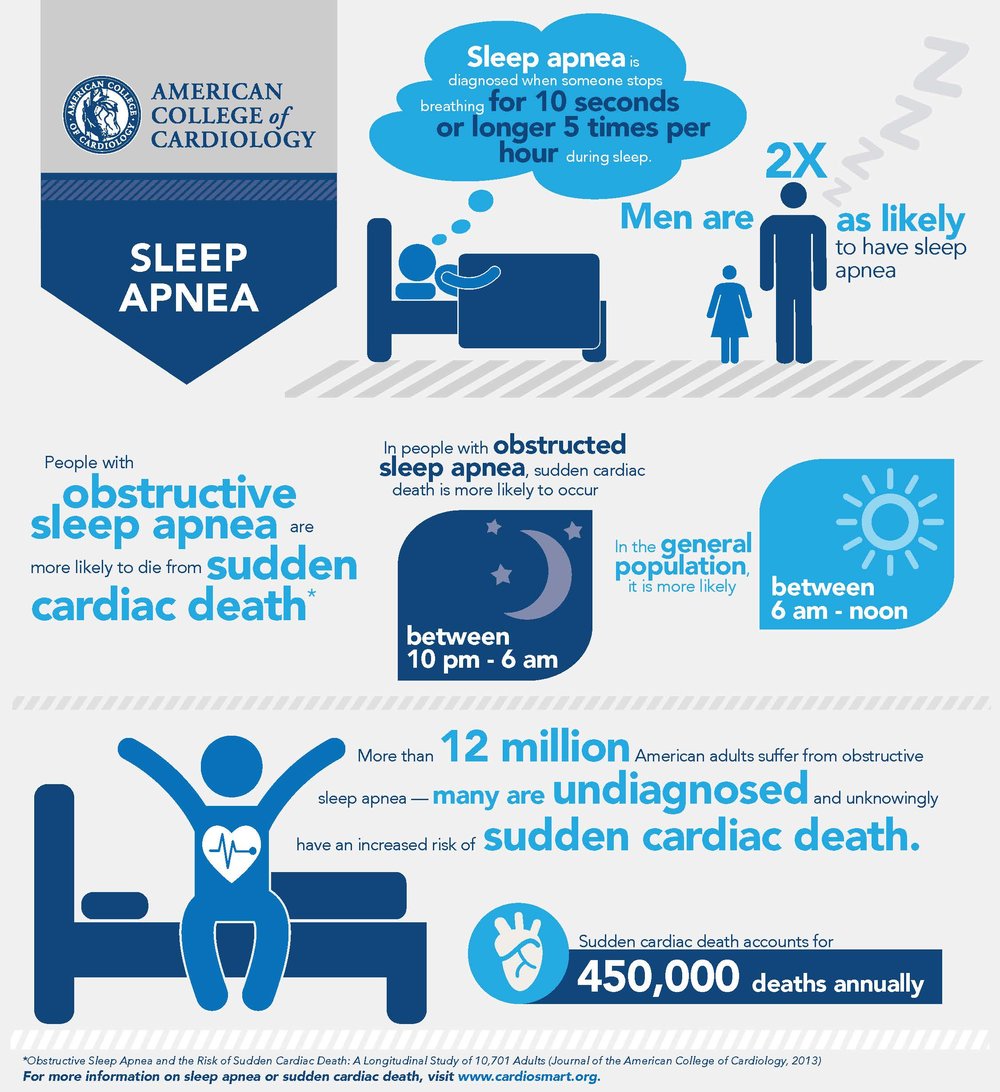
Roughly 25 million American adults have obstructive sleep apnea, and more than three times that number snore. If you're one of them, you already know what it costs you: you wake up tired, and the day never quite catches up. At Sleep Sound Breathing & Airway Center, we treat the problem at its source so you can sleep safely through the night again.
What Is Sleep Apnea?
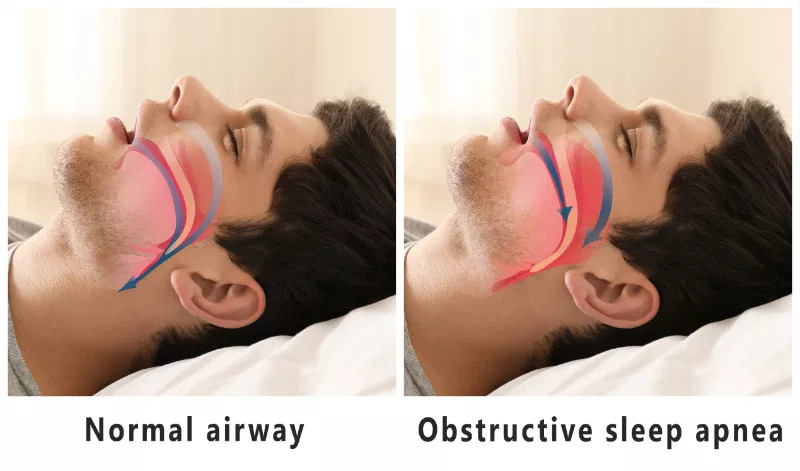
Sleep apnea is a serious, potentially life-threatening disorder in which breathing repeatedly stops during sleep. The most common form is obstructive sleep apnea: the airway becomes blocked, cutting off the flow of oxygen through the nose or mouth.
In obstructive sleep apnea, the muscles of the throat and mouth relax so completely during sleep that they fall back into the upper airway and restrict breathing.
What Are Some of the Signs and Symptoms of Sleep Apnea?
Symptoms of this disorder during sleeping hours may include:
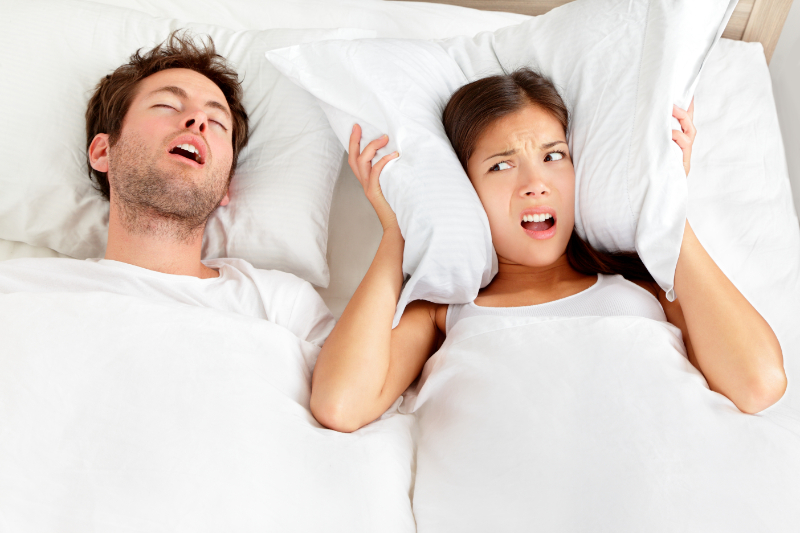
- Loud snoring
- Episodes of breathing cessation
- Abrupt awakenings
- Episodes of gasping for air
- Difficulty getting a good night's sleep
- Teeth grinding, clenching, or bruxism
The problems show up during the day too: morning headaches, excessive daytime sleepiness, trouble concentrating, and irritability. Sleep apnea is also associated with other medical conditions, including diabetes, cardiovascular and heart issues, gastric reflux, and depression.
How Do I Know If I Have Sleep Apnea?
A sleep study is the usual first step — it measures how severe the disorder is, and those results (along with other medical findings) shape the recommended therapy. In many cases the testing can be done at home in your own bed, monitoring blood oxygen levels and breathing throughout the night.
Oral Appliance Therapy: How Can It Help?
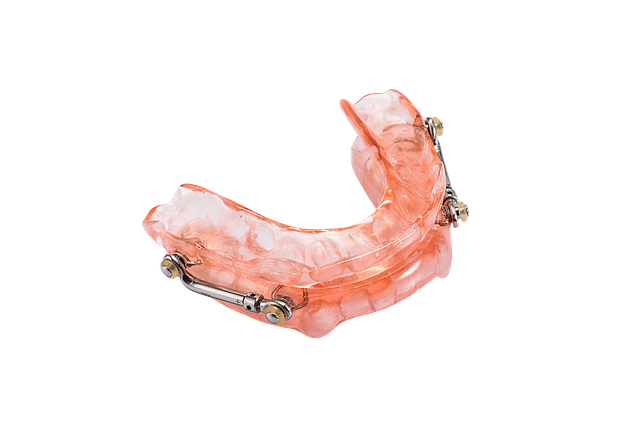
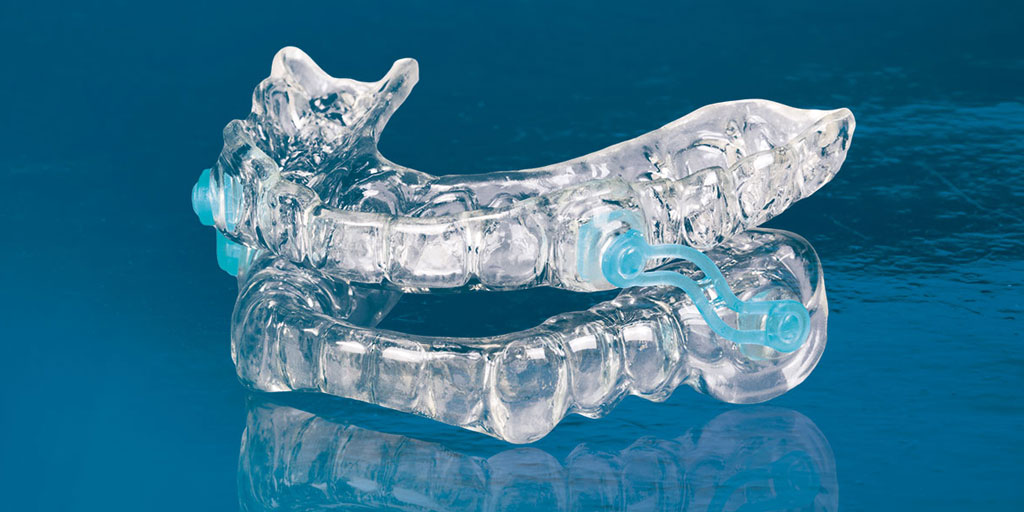
Oral appliances are custom-fitted devices designed to treat obstructive Sleep Apnea by repositioning the jaw and tongue to maintain an open airway during sleep. Similar to mouthguards worn for sports, these devices are typically worn only at night and work by either holding the lower jaw slightly forward or stabilizing the tongue in a position that prevents airway collapse.
For those with mild to moderate sleep apnea, oral appliances can be an effective alternative to CPAP therapy, with several advantages:
- Greater comfort and ease of use compared to CPAP machines
- Portability for travel
- Silent operation
- No electricity required
- Higher compliance rates due to comfort
Many patients simply find an appliance less intrusive than a CPAP machine, though effectiveness varies by individual. We order and custom-fit these devices for our patients based on need.
Oral Appliances For Snoring
About 90 million Americans snore, and counting spouses and children, some 160 million people lose sleep over it. For roughly half, the problem really is just snoring — for the rest, it may be sleep apnea. That's why the first step before any treatment is determining which one you're dealing with.
If it turns out you're a primary snorer — snoring without apnea — a custom appliance can give you (and anyone within earshot) a quieter, more comfortable night. It fits something like a sports mouthguard or orthodontic retainer, is worn only while you sleep, and gently repositions your jaw so air flows more freely. Removable, non-invasive, and effective.